%202.webp)
Bone Grafting in Upper Marlboro, MD
Restore Bone Loss and Rebuild Your Foundation for Dental Implants
Missing teeth don’t just leave gaps in your smile—they also lead to bone loss over time. At Westphalia Dental Implant Center, we offer expert bone grafting and ridge augmentation procedures to restore lost bone and prepare your jaw for a stable, lasting implant restoration.
Default Rich Text Content
This is the default rich text value
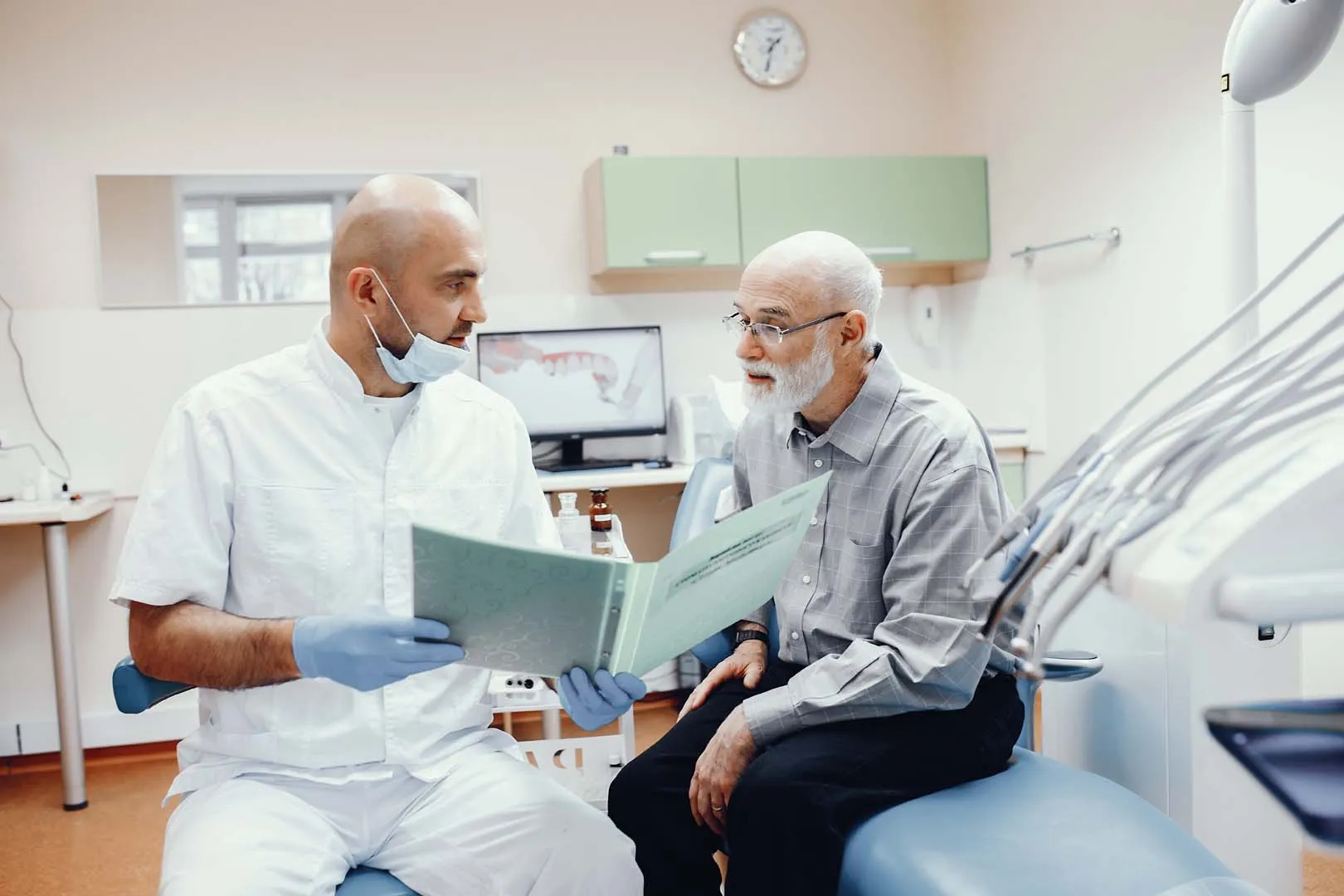

What Is Bone Grafting?
Bone grafting is a procedure that rebuilds jawbone lost due to tooth extraction, gum disease, trauma, or long-term tooth loss. This is often an essential step for patients who want dental implants but don’t currently have enough bone to support them.
A small amount of bone material—either synthetic, donor, or from your own body—is placed in the area of loss. Over time, your body naturally integrates the graft, growing new, healthy bone in its place.
What Is Ridge Augmentation?
Ridge augmentation is a specialized form of bone grafting used to restore the natural contour of your jawbone after tooth loss or extraction. This helps:
- Create a solid foundation for implants
- Improve the appearance of the gums and smile
- Maintain facial structure and symmetry
- Prevent sunken or collapsed areas in the jaw ridge
Ridge augmentation is often performed after tooth extractions to preserve the bone before it deteriorates.
Why Bone Grafting May Be Necessary
You may need bone grafting or ridge augmentation if:
- You’ve had missing teeth for several months or years
- You’re preparing for implant dentures or All-on-4
- A previous extraction site has sunken or become uneven
- You were told you’re not a candidate for dental implants due to bone loss
- You want to prevent bone loss after an upcoming extraction
We see patients throughout Upper Marlboro, Clinton, Largo, and Camp Springs for ridge preservation and bone reconstruction that supports long-term oral health.
What to Expect During Treatment
- Consultation and 3D Imaging
We use digital CBCT scans to evaluate the extent of bone loss and determine the best grafting technique for your needs. - Surgical Bone Graft or Augmentation
During the procedure, we gently place grafting material in the affected area. This is often done under local anesthesia or with sedation dentistry for your comfort. - Healing and Integration
The healing process typically takes 3–6 months. During this time, the graft material encourages your body to regenerate healthy bone tissue. - Next Steps Toward Implants (if needed)
Once the bone has healed, we can move forward with implant placement or a restorative procedure.
Our comprehensive care model means you won’t be referred out—you’ll work with the same trusted team from start to finish.
Benefits of Bone & Ridge Augmentation
- Makes dental implants possible or more stable
- Preserves the natural contours of your face and jaw
- Prevents shifting of surrounding teeth
- Improves the final esthetic outcome of tooth replacement
- Avoids the sunken appearance that often follows long-term tooth loss
Patients from District Heights, Forestville, and Capitol Heights trust our team to restore both the health and appearance of their jaw with expert precision and personalized care.
Cost & Insurance Information
Bone grafting and ridge augmentation procedures may be partially covered by dental insurance—especially when part of medically necessary care such as a tooth extraction or dental implant.
We help patients navigate:
- Insurance eligibility and pre-approvals
- Flexible financing with CareCredit, Proceed Finance, and others
- 10% savings with our Smile Savings Plan
We provide clear, personalized estimates before any procedure begins.
Frequently Asked Questions
Is bone grafting painful?
Most patients report only mild soreness after the procedure. We use local anesthesia and offer sedation options to ensure your comfort throughout treatment.
How long does a bone graft take to heal?
Healing typically takes 3 to 6 months, depending on the size of the graft and your overall health.
Can I get a bone graft at the same time as a tooth extraction?
Yes. In many cases, we perform ridge preservation immediately after extraction to reduce bone loss.
What kind of bone is used in grafting?
We may use synthetic grafting material, donated human bone, or a small amount of your own bone depending on your needs and preferences. All materials are biocompatible and safe.
Will I still be able to get dental implants?
That’s the goal. Bone grafting strengthens your jaw so that you can become a candidate for dental implants or other restorations in the future.
Lorem ipsum dolor sit amet, consectetur adipiscing elit. Suspendisse varius enim in eros elementum tristique. Duis cursus, mi quis viverra ornare, eros dolor interdum nulla, ut commodo diam libero vitae erat. Aenean faucibus nibh et justo cursus id rutrum lorem imperdiet. Nunc ut sem vitae risus tristique posuere.
Rebuild Your Foundation
for a Healthier Smile
If you’ve been told you’re not a candidate for dental implants due to bone loss, you may still have options. Our team is here to restore your jaw—and your confidence.